


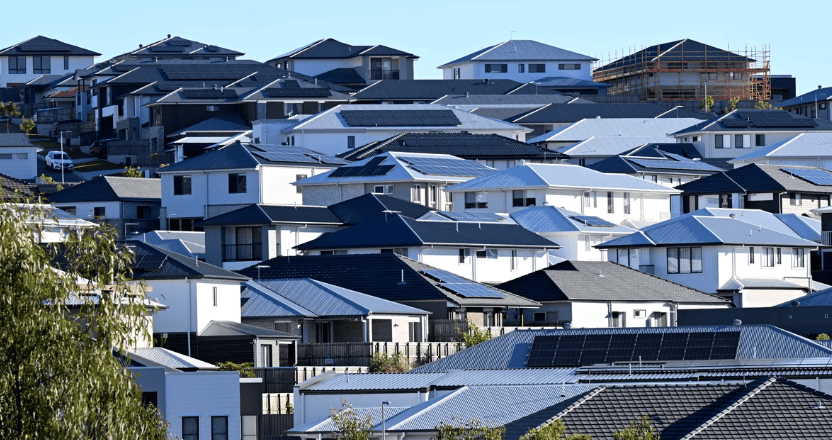
Australia’s housing market has officially become one of the country’s biggest economic and political pressure points in 2026. What once looked like a booming real estate success story is now turning into a full-scale affordability crisis affecting millions of Australians across every major city and state.
From Sydney to Melbourne, from Brisbane to Perth, housing prices continue climbing while wages fail to keep pace. At the same time, rental shortages are pushing everyday Australians into financial stress many never expected to face.
For younger Australians, owning a home increasingly feels impossible. For renters, weekly costs continue rising sharply. Even middle-class families are now struggling with mortgage repayments after years of rising interest rates and inflation pressure.
The biggest reason this topic is exploding globally is simple:
Australia’s housing market is no longer just expensive — many experts now believe it is becoming structurally unsustainable.

Quick Summary: What You Should Know
| Issue | Impact |
|---|---|
| Rising house prices | Home ownership becoming harder |
| High interest rates | Mortgage repayments increasing |
| Low housing supply | Severe rental shortages |
| Population growth | More competition for homes |
| Inflation pressure | Cost of living crisis worsening |
| Investor demand | Property prices staying elevated |
Why Australia’s Housing Market Is Under Pressure
Australia’s property market has faced affordability issues for years, but 2026 is different because several economic pressures are now hitting simultaneously.
The biggest drivers include:
- rising migration
- housing shortages
- higher construction costs
- elevated interest rates
- investor activity
- weak wage growth
The result?
Demand keeps rising faster than supply.
That imbalance is pushing prices higher almost everywhere.

8
According to recent housing reports, Australia’s median house prices in several major cities have either reached record highs or remain close to peak levels despite economic pressure. Cities once considered affordable are also becoming expensive rapidly.
For example:
- Brisbane property values surged after interstate migration booms.
- Perth experienced strong investor demand.
- Adelaide prices rose sharply due to limited supply.
- Sydney remains one of the world’s least affordable housing markets.
This isn’t just a luxury real estate issue anymore. It affects nurses, teachers, office workers, students, and even dual-income households.
The Interest Rate Problem Is Making Everything Worse
One of the biggest reasons Australians are feeling financial pressure is rising mortgage repayments.
The Reserve Bank of Australia increased interest rates aggressively over recent years to fight inflation. While inflation has slowed somewhat, mortgage pressure remains intense.
Many Australians who locked in low fixed-rate loans during earlier years are now rolling into much higher repayment rates.
In some cases:
- monthly mortgage repayments increased by thousands annually
- borrowing capacity dropped significantly
- first-home buyers became priced out completely
This creates a dangerous cycle.
Higher interest rates reduce affordability, but limited housing supply prevents prices from falling sharply. Instead of a market crash, Australia is seeing persistent affordability pressure.
Australia’s Rental Crisis Is Reaching Breaking Point
The rental market may actually be worse than the home buying market right now.
Vacancy rates across several Australian cities remain critically low. In many suburbs, rental inspections attract massive crowds within minutes of listings going live.

7
Rents continue climbing because:
- migration remains strong
- housing construction slowed
- supply cannot meet demand
- investors are passing costs onto tenants
Many renters now spend huge portions of their income simply securing housing.
This especially impacts:
- students
- immigrants
- low-income workers
- young professionals
- single-parent households
Some Australians are delaying marriage, children, or relocation decisions because housing costs dominate their finances.
That social impact is becoming a major political issue nationwide.
Why Housing Supply Is Not Keeping Up
Housing shortages remain one of the core reasons behind the crisis.
Australia simply isn’t building enough homes fast enough.
Several factors are slowing construction:
- expensive materials
- labor shortages
- planning delays
- higher financing costs
- builder collapses
Developers also face profitability challenges because construction costs increased dramatically after global inflation and supply chain disruptions.
This means fewer affordable housing projects are entering the market.
Meanwhile, population growth continues increasing demand.
The imbalance becomes obvious:
more people need homes than homes available.
Migration and Population Growth Are Fueling Demand
Australia remains one of the world’s most attractive destinations for:
- skilled workers
- international students
- migrants
- investors
That population growth supports the economy, but it also increases housing demand rapidly.
Major cities like:
- Sydney
- Melbourne
- Brisbane
continue absorbing large numbers of new residents yearly.
This creates intense competition for:
- rentals
- apartments
- family homes
- suburban properties
The challenge is not migration itself.
The challenge is that housing supply infrastructure has not expanded at the same speed.
Why Young Australians Feel Locked Out
For younger Australians, home ownership increasingly feels unrealistic.
Deposits have become enormous due to rising prices. At the same time:
- wages remain relatively slow-growing
- living costs increased sharply
- student debt pressures remain
- rent consumes savings potential
Many first-home buyers now depend heavily on:
- family financial support
- inheritance expectations
- shared ownership arrangements
Without assistance, entering the property market becomes extremely difficult in expensive cities.
This creates a growing wealth divide between:
- homeowners
- renters
- older generations
- younger workers
Housing inequality is now becoming both an economic issue and a social issue.
Could Australia Face a Housing Market Crash?
This question dominates online discussions.
Some experts argue Australian property prices remain dangerously overvalued. Others believe supply shortages will continue preventing major price collapses.
The reality is more complicated.
Australia’s housing market still has strong support from:
- population growth
- limited supply
- banking stability
- investor demand
- government incentives
However, risks remain:
- unemployment spikes
- recession pressure
- global economic slowdown
- prolonged high interest rates
could eventually weaken prices more significantly.
Most analysts currently expect:
- slower growth
- affordability pressure
- localized corrections
rather than a nationwide collapse.
How Different Australian Cities Are Being Affected
| City | Current Situation |
|---|---|
| Sydney | Extremely expensive housing market |
| Melbourne | Rental pressure and apartment demand |
| Brisbane | Rapid population-driven growth |
| Perth | Investor interest rising strongly |
| Adelaide | Low supply pushing prices upward |
| Canberra | Higher mortgage pressure |
| Hobart | Slower growth after earlier boom |
| Darwin | More affordable compared to east coast |
Pros & Cons of Australia’s Property Market
Pros
- Strong long-term property demand
- Stable banking system
- Population growth supports market
- Real estate remains major wealth driver
Cons
- Severe affordability problems
- Rental shortages worsening
- Younger generations locked out
- Rising mortgage stress
- Growing inequality
Best For Section
Best For Buyers
- Long-term homeowners with stable income
- Buyers targeting smaller regional markets
- Investors with strong cash flow
Best For Renters
- Shared accommodation seekers
- Flexible suburban renters
- Regional relocation options
Best For Investors
- High-demand rental corridors
- Infrastructure-growth suburbs
- Student-heavy urban zones

Expert Verdict
Australia’s housing crisis in 2026 is no longer temporary market volatility. It has become a structural affordability issue tied directly to supply shortages, population growth, interest rates, and economic policy failures.
Without major housing reform and increased construction, affordability pressure may continue for years.
The market may not crash dramatically, but everyday Australians could face worsening financial stress if wages fail to catch up with housing costs.
Key Takeaways
- Australia faces one of its worst housing affordability crises in decades.
- Interest rates and low supply remain major drivers.
- Renters are under extreme pressure nationwide.
- Younger Australians struggle entering the market.
- Major cities continue seeing strong demand.
- Housing has become a national political issue.
Publisher’s Opinion
From a publisher and market-observer perspective, Australia’s housing crisis deserves far more global attention than it currently receives.
This is no longer just a “property investor story.” It directly impacts:
- mental health
- family planning
- migration patterns
- workforce mobility
- political stability
The worrying part is that many Australians still believe prices will eventually become affordable naturally. Current market conditions suggest the opposite may happen unless governments dramatically accelerate housing construction and infrastructure planning.
The most likely outcome over the next few years is not a dramatic crash but a prolonged affordability squeeze where:
- renters struggle more
- ownership becomes harder
- wealth inequality widens further
Housing may become the defining economic issue for Australia throughout the rest of the decade.

FAQs
Why are housing prices rising in Australia in 2026?
Housing prices are rising due to low supply, population growth, high construction costs, and strong housing demand.
Will Australia’s property market crash in 2026?
Most experts currently expect slower growth or regional corrections rather than a nationwide crash.
Which Australian city has the worst housing affordability?
Sydney remains one of Australia’s least affordable housing markets.
Why is rent so expensive in Australia now?
Low vacancy rates, migration growth, and housing shortages continue pushing rents higher.
Are interest rates affecting Australian housing prices?
Yes. Higher interest rates increased mortgage repayments and reduced affordability significantly.
Is Melbourne cheaper than Sydney in 2026?
Generally yes, but Melbourne still faces serious affordability and rental pressure.
Why are young Australians struggling to buy homes?
High deposits, expensive mortgages, wage stagnation, and rising living costs make ownership difficult.
Could government policies fix the housing crisis?
Potentially, but large-scale housing construction and planning reforms are required.
Is Perth becoming expensive too?
Yes. Perth property demand increased due to affordability compared to eastern cities.
What is the biggest cause of Australia’s housing crisis?
The largest issue remains housing supply failing to meet demand.