

Understanding Economic Cycles:
What Is a Recession?
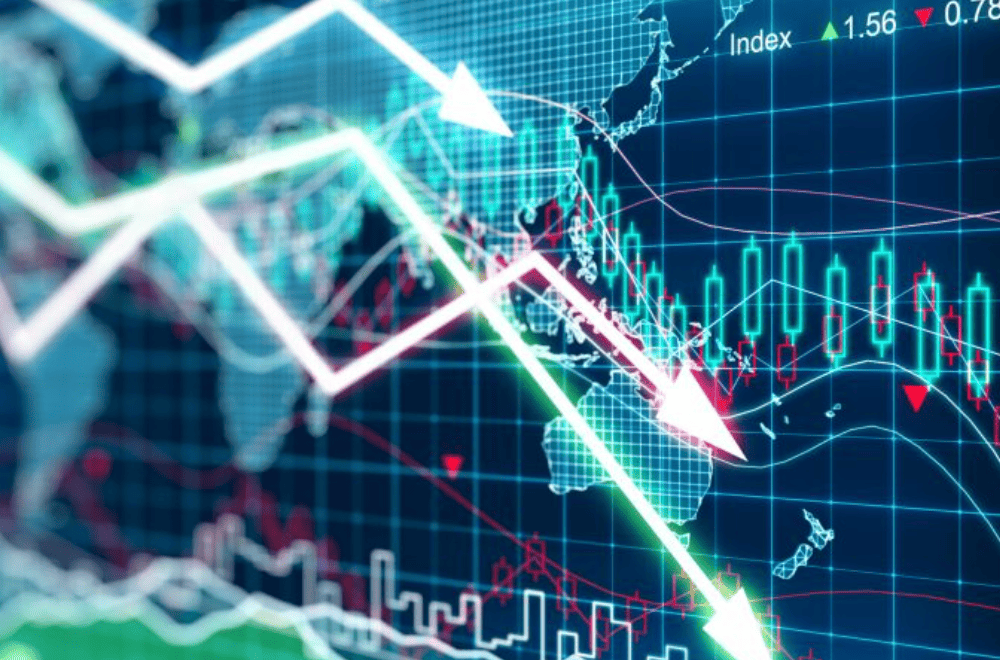
A recession is not just a buzzword thrown around during bad times—it’s a measurable slowdown in economic activity that affects millions of lives. Typically defined as two consecutive quarters of negative GDP growth, a recession represents a period when businesses struggle, consumers spend less, and unemployment begins to rise. But if you think about it, a recession is more than just numbers on a chart; it’s the moment when everyday people feel the squeeze—job losses, shrinking savings, and uncertainty about the future.
Economies are like living organisms—they breathe, expand, and contract. The tricky part is that recessions are inevitable. No economy grows forever without hitting a ceiling. What makes things more complex is how interconnected the global economy has become. A financial crisis in one country can ripple across continents within days. For instance, the collapse of major banks during the 2008 crisis quickly spread from the United States to Europe and beyond, showing just how fragile the system can be.
So why do these recessions keep happening? The answer lies deep within the structure of capitalism, human behavior, and policy decisions. It’s a cycle—a loop that keeps replaying, sometimes predictable, sometimes shocking, but always impactful.
Phases of Economic Cycles
Expansion Phase
During expansion, everything feels optimistic. Businesses grow, jobs are plentiful, and consumer confidence is high. People spend more, invest more, and take bigger risks. It’s like a party where everyone believes the music will never stop. But beneath the surface, this phase often plants the seeds of the next crisis—excessive borrowing, inflated asset prices, and overconfidence.
Peak Phase
At the peak, the economy hits its maximum growth level. Inflation often rises, and markets become overheated. Think of it as a balloon stretched to its limit—any additional pressure can cause it to burst. This is where central banks usually step in, raising interest rates to cool things down. Ironically, these actions can sometimes trigger the downturn they are trying to prevent.
Contraction Phase
This is where reality hits. Growth slows, businesses cut costs, and layoffs begin. Investments decline, and consumer confidence drops. The contraction phase is often fueled by panic—markets fall, credit tightens, and people start saving instead of spending.
Trough Phase
The trough is the lowest point of the cycle. While it may feel like the worst is over, recovery takes time. Governments often inject stimulus into the economy, and central banks lower interest rates to encourage borrowing. Slowly but surely, the cycle begins again.
History of Global Economic Crises
The Great Depression (1929)
The Great Depression remains one of the most severe economic crises in history. Triggered by the stock market crash of 1929, it led to massive unemployment, bank failures, and a decade-long economic slump. It taught the world a critical lesson: unchecked speculation and weak financial systems can have devastating consequences.
The 2008 Financial Crisis
Fast forward to 2008, and the world witnessed another major collapse. This time, it was driven by subprime mortgages and complex financial derivatives. Major institutions failed, credit markets froze, and governments had to step in with massive bailouts. According to estimates, the global economy lost trillions of dollars, and millions of jobs were wiped out almost overnight.
COVID-19 Economic Shock
The COVID-19 pandemic wasn’t a financial crisis in the traditional sense—it was a global shutdown. Businesses closed, travel stopped, and entire industries came to a halt. Governments responded with unprecedented stimulus packages, pumping trillions into economies worldwide. While recovery has been faster compared to past crises, it also created new challenges like inflation and supply chain disruptions.
Why Economic Crises Keep Repeating
Human Behavior & Market Psychology
At the heart of every economic crisis lies human psychology. Greed, fear, and herd mentality play massive roles in shaping markets. During booms, people become overly optimistic, investing heavily and ignoring risks. During downturns, panic sets in, leading to massive sell-offs and economic contraction.
It’s almost like history repeats itself because humans don’t change. Investors chase trends, governments delay tough decisions, and consumers overspend during good times. This cycle of overconfidence followed by fear creates a predictable pattern of boom and bust.
Debt Cycles and Credit Expansion
Debt is a double-edged sword. It fuels growth during expansion but becomes a burden during downturns. When credit is easily available, businesses and consumers borrow more. This leads to increased spending and economic growth. However, when debt levels become unsustainable, the system starts to crack.
Economist theories suggest that long-term debt cycles can last decades, culminating in major crises. When borrowers can no longer repay loans, defaults increase, banks suffer losses, and the entire financial system comes under pressure.
Policy Mistakes & Regulatory Gaps
Governments and central banks play a crucial role in managing economies. However, mistakes in policy decisions can worsen crises. Delayed responses, inadequate regulations, or excessive intervention can all contribute to economic instability.
For example, loose lending regulations before the 2008 crisis allowed risky mortgages to flourish. Similarly, delayed action during inflationary periods can lead to severe economic tightening later.
Role of Global Institutions
Central Banks and Monetary Policy
Central banks like the International Monetary Fund and national institutions control interest rates and money supply. Lower interest rates encourage borrowing and spending, while higher rates slow down inflation. Balancing these factors is incredibly challenging, and even small miscalculations can trigger major economic shifts.
Governments and Fiscal Intervention
Governments use fiscal policies—tax cuts, spending programs, and subsidies—to stabilize economies. During crises, stimulus packages are introduced to boost demand. However, excessive spending can lead to long-term debt problems, creating another cycle of instability.
Modern Triggers of Economic Crises
Inflation & Interest Rate Shocks
Rising inflation forces central banks to increase interest rates, which can slow down economic growth. In recent years, many economies have faced inflation levels not seen in decades, leading to aggressive rate hikes and fears of recession.
Geopolitical Conflicts
Wars, trade disputes, and political instability can disrupt global markets. Energy prices spike, supply chains break down, and investor confidence drops. These factors can quickly push economies into recession.
Supply Chain Disruptions
The pandemic highlighted how fragile global supply chains are. Delays in production, shipping bottlenecks, and shortages can cripple industries, leading to economic slowdowns.
Impact of Recessions on Society
Unemployment & Income Inequality
Recessions hit workers the hardest. Job losses increase, wages stagnate, and inequality widens. Lower-income groups often suffer the most, as they have fewer financial buffers to absorb shocks.
Business Failures & Market Collapse
Small businesses struggle to survive during downturns. Reduced demand, limited access to credit, and rising costs force many to shut down. Stock markets also experience sharp declines, wiping out investor wealth.
Can Economic Crises Be Prevented?
Early Warning Indicators
Economists track various indicators like rising debt levels, asset bubbles, and declining productivity to predict crises. While these signals can provide warnings, accurately timing a crisis remains extremely difficult.
Role of Technology & AI in Prediction
Artificial Intelligence is changing how we analyze economic data. Advanced algorithms can process massive datasets, identify patterns, and predict potential risks. While not foolproof, these tools offer hope for better crisis management in the future.
Future of Global Economic Cycles
The big question is—will the cycle ever stop? Probably not. Economic cycles are deeply embedded in the system. However, better policies, improved regulations, and technological advancements can reduce the severity of future crises.
Globalization has made economies more interconnected, which means crises can spread faster—but it also means coordinated responses can be more effective. The future will likely see a mix of traditional economic principles and modern innovations shaping how we deal with recessions.
Conclusion
Economic crises are not random events—they are part of a recurring cycle driven by human behavior, financial systems, and policy decisions. While each crisis has unique triggers, the underlying patterns remain strikingly similar. Understanding these cycles can help individuals, businesses, and governments prepare better and respond more effectively.
The reality is simple: the global economy will continue to rise and fall. The goal is not to eliminate crises entirely but to manage them in a way that minimizes damage and ensures faster recovery.
FAQs
1. Why do economic recessions happen repeatedly?
Recessions repeat due to cycles of expansion and contraction driven by human behavior, debt accumulation, and policy decisions.
2. How long does a typical recession last?
Most recessions last between 6 months to 2 years, but recovery can take longer depending on severity.
3. Can governments completely prevent economic crises?
No, but they can reduce their impact through effective monetary and fiscal policies.
4. What is the biggest cause of global financial crises?
Excessive debt, speculative bubbles, and financial system weaknesses are the primary causes.
5. Is the world heading toward another recession?
Economic indicators suggest periodic slowdowns are inevitable, but timing and severity vary.