

Understanding Climate Change
What Is Global Warming
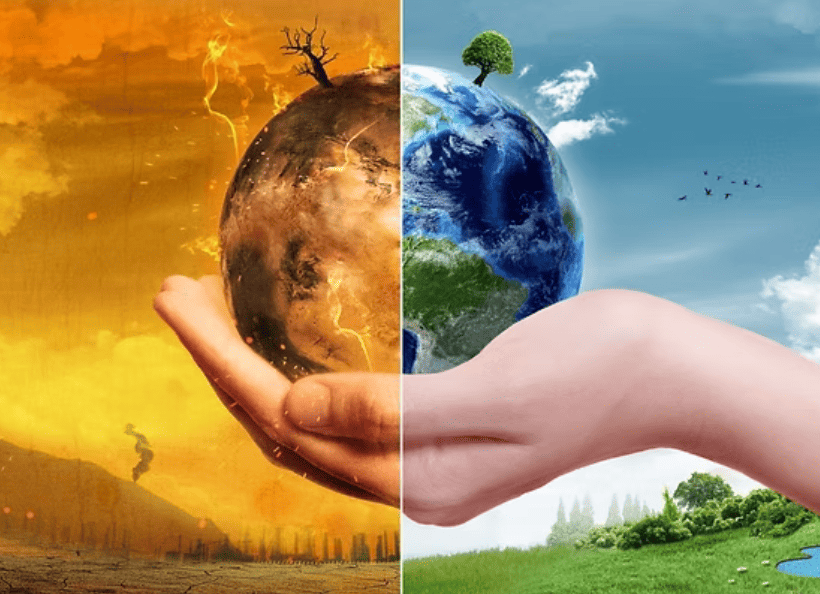
If you’ve ever felt that summers are getting hotter year after year, you’re not imagining things. Global warming is real, measurable, and accelerating. It refers to the long-term rise in Earth’s average surface temperature, primarily caused by human activities. Organizations like the United Nations have repeatedly warned that the planet has already warmed by more than 1.1°C above pre-industrial levels, and we are dangerously close to crossing the 1.5°C threshold that scientists consider critical.
But here’s the thing—global warming isn’t just about heat. It’s about disruption. Think of Earth as a finely balanced system, like a perfectly tuned orchestra. When temperatures rise, everything goes slightly off-key. Rainfall patterns shift, ecosystems struggle to adapt, and natural disasters become more frequent and intense. What used to be rare—like extreme heatwaves or unexpected floods—is becoming the new normal.
The real concern is the speed of change. Natural climate shifts usually take thousands of years, allowing ecosystems to adapt gradually. But human-driven warming is happening at an unprecedented pace. Industries, transportation, and energy consumption are releasing massive amounts of carbon dioxide and other greenhouse gases into the atmosphere. These gases trap heat, acting like a blanket around the planet. The result? A warming effect that keeps intensifying over time.
Key Causes of Climate Change
Greenhouse Gas Emissions
At the core of climate change lies one major culprit—greenhouse gas emissions. Every time we burn fossil fuels like coal, oil, or natural gas, we release carbon dioxide into the atmosphere. This happens when we drive cars, generate electricity, or run factories. Over time, these emissions accumulate, creating a thick layer that traps heat.
What makes this particularly alarming is the scale. Modern economies are heavily dependent on fossil fuels, and despite advancements in clean energy, global emissions remain high. It’s like filling a bathtub without turning off the tap—the water keeps rising until it overflows.
Deforestation
Forests are often called the lungs of the Earth, and for a good reason. They absorb carbon dioxide and release oxygen, helping regulate the planet’s climate. However, large-scale deforestation is reducing this natural defense system.
When trees are cut down, not only do we lose their ability to absorb carbon, but the stored carbon is also released back into the atmosphere. This double impact accelerates global warming. Add to this the loss of biodiversity, and the problem becomes even more complex.
The Global Impact of Climate Change
Rising Temperatures and Extreme Weather
Climate change is no longer a distant threat—it’s happening right now. Rising temperatures are fueling extreme weather events across the globe. Heatwaves are becoming more intense, lasting longer and affecting larger areas. At the same time, storms are growing stronger, bringing heavy rainfall and devastating floods.
Think about it like this—warmer air holds more moisture, which means when it rains, it pours. This is why many regions are experiencing sudden and severe flooding. On the flip side, some areas are facing prolonged droughts, creating a stark imbalance in water availability.
These changes are not just environmental—they are deeply human. Farmers struggle with unpredictable seasons, cities face infrastructure challenges, and communities are forced to adapt quickly. The economic cost is massive, running into billions of dollars annually.
Melting Ice Caps and Sea Level Rise
One of the most visible effects of global warming is the melting of polar ice caps and glaciers. As temperatures rise, ice sheets in regions like Antarctica and Greenland are shrinking at an alarming rate. This contributes directly to sea level rise, which poses a serious threat to coastal cities and island nations.
Imagine living in a city where the coastline keeps moving closer every year. That’s the reality for millions of people today. Rising sea levels increase the risk of flooding, especially during storms. Over time, entire communities may be forced to relocate, creating climate refugees.
The Water Crisis
Why Freshwater Is Becoming Scarce
Water is essential for life, yet it’s becoming one of the most threatened resources on the planet. Climate change is disrupting rainfall patterns, leading to both droughts and floods. In many regions, groundwater is being depleted faster than it can be replenished.
The demand for water is also increasing due to population growth and industrialization. Agriculture alone consumes a significant portion of freshwater resources. When supply cannot meet demand, scarcity becomes inevitable.
Impact on Human Life and Agriculture
The water crisis has far-reaching consequences. For farmers, it means reduced crop yields and financial instability. For communities, it means limited access to clean drinking water. In extreme cases, it can lead to conflicts over resources.
Water scarcity also affects health. Lack of clean water increases the risk of diseases, particularly in developing regions. It’s a chain reaction—one problem leading to another, creating a cycle that is difficult to break.
Pollution: The Invisible Threat
Air Pollution and Health Risks
Air pollution is often invisible, but its impact is undeniable. Pollutants from vehicles, industries, and burning fuels contaminate the air we breathe. According to global health estimates, millions of people die each year due to air pollution-related illnesses.
Breathing polluted air is like slowly poisoning your body. It affects the lungs, heart, and overall health. Children and elderly individuals are particularly vulnerable.
Plastic Pollution and Oceans
Plastic waste is another major environmental challenge. Oceans are filled with plastic debris, harming marine life and ecosystems. Microplastics have even entered the food chain, raising serious health concerns.
Shift Toward Sustainable Living
What Is an Eco-Friendly Lifestyle
Sustainable living is about making choices that reduce your environmental impact. It’s not about perfection—it’s about progress. Small changes, when multiplied by millions of people, can create a significant impact.
Benefits of Sustainable Living
| Aspect | Traditional Lifestyle | Sustainable Lifestyle |
|---|---|---|
| Energy Use | High fossil fuel dependency | Renewable energy focus |
| Waste | High generation | Reduced, recycled |
| Impact | Environmental damage | Environmental protection |
Renewable Energy Revolution
Solar, Wind, and Hydropower
Renewable energy sources are transforming how we generate power. Solar panels, wind turbines, and hydropower systems provide clean alternatives to fossil fuels.
Future of Clean Energy
The future looks promising, with advancements in technology making renewable energy more efficient and affordable.
Practical Steps for Sustainable Living
Daily Habits That Make a Difference
Simple actions—like reducing plastic use, conserving water, and using public transport—can contribute to sustainability.
Role of Individuals vs Governments
While governments play a crucial role in policy-making, individuals also have the power to drive change through everyday choices.
Future of Climate Action
The fight against climate change is ongoing. It requires global cooperation, innovation, and a shift in mindset.
Conclusion
Climate change is one of the biggest challenges of our time, but it’s also an opportunity to rethink how we live. Sustainable living is not just a trend—it’s a necessity. By making conscious choices and embracing renewable energy, we can create a future that is not only environmentally stable but also healthier and more balanced.
FAQs
1. What is the main cause of climate change?
Human activities, especially burning fossil fuels, are the primary cause.
2. How can individuals help fight climate change?
By adopting sustainable habits like reducing waste and conserving energy.
3. Why is renewable energy important?
It reduces dependence on fossil fuels and lowers greenhouse gas emissions.
4. What is sustainable living?
A lifestyle that minimizes environmental impact through conscious choices.
5. Is climate change reversible?
While it cannot be fully reversed, its impact can be reduced significantly.