

The Silent Epidemic of Modern Living
Why Mental Health Is Declining Globally
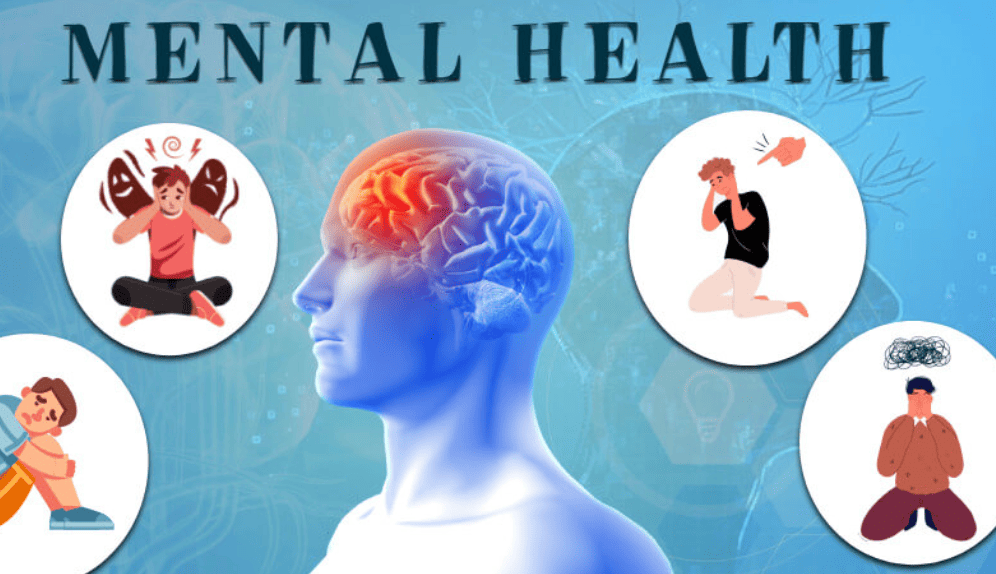
Take a moment and think about this—why does life feel more overwhelming today than it did a decade ago, even though technology has made everything faster and easier? The truth is, we are living in an era where convenience has skyrocketed, but mental peace has quietly collapsed. According to global health organizations like the World Health Organization, anxiety and depression rates have surged dramatically, especially after the pandemic. Millions of people worldwide now report persistent stress, emotional exhaustion, and a constant feeling of being “on edge.”
What’s happening here is not random—it’s systemic. Our modern lifestyle has created a paradox. We are more connected than ever, yet emotionally isolated. We have access to unlimited information, yet our minds feel cluttered and overwhelmed. Deadlines, financial pressures, social expectations, and digital overload are combining into a perfect storm. Imagine your brain as a browser with 50 tabs open simultaneously—eventually, it crashes. That’s exactly what’s happening to millions of people every day.
Another critical factor is the loss of natural rhythms. Earlier, life had clear boundaries—work ended, evenings were slower, and sleep cycles were consistent. Today, those lines are blurred. Emails arrive at midnight, notifications interrupt meals, and social media never sleeps. This constant stimulation keeps our nervous system in a state of alert, making relaxation feel almost impossible. Over time, this leads to chronic stress, which becomes the foundation for anxiety, burnout, and deeper mental health issues.
The Role of Technology in Emotional Overload
Technology is a double-edged sword. On one hand, it connects us, entertains us, and makes life efficient. On the other hand, it’s quietly rewiring our brains in ways we barely understand. Think about how many times you check your phone in a day. For most people, it’s not 10 or 20—it’s hundreds. Every notification, every scroll, every like triggers a small release of dopamine, the brain’s reward chemical. Over time, this creates a dependency loop.
Social media platforms are designed to keep you hooked. Endless scrolling, personalized feeds, and instant feedback systems create a cycle where your brain constantly seeks the next “hit” of stimulation. It’s like being in a casino where the slot machine never stops spinning. You might win occasionally, but you keep playing regardless. This constant engagement leaves little room for boredom, reflection, or mental rest—things that are essential for emotional health.
There’s also the issue of comparison. When you scroll through curated highlights of other people’s lives, it’s easy to feel like you’re falling behind. Even if you logically know that social media shows only the best moments, your brain still processes it as reality. This leads to feelings of inadequacy, low self-esteem, and anxiety. Over time, the digital world starts shaping your self-worth, which can be incredibly damaging.
Understanding Anxiety in the Digital Age
What Triggers Anxiety Today
Anxiety today is very different from what it used to be. Earlier, it was often tied to immediate survival threats. Now, it’s triggered by abstract concerns—career uncertainty, financial instability, social validation, and even the fear of missing out. These triggers are constant and invisible, making them harder to escape.
One major factor is unpredictability. The modern world is changing rapidly—jobs are evolving, industries are shifting, and economic conditions are uncertain. This creates a sense of instability, which fuels anxiety. Your brain is wired to seek certainty, and when it doesn’t find it, it goes into overdrive, imagining worst-case scenarios.
Another trigger is information overload. News cycles run 24/7, often focusing on negative events. When you consume this constantly, your brain starts perceiving the world as more dangerous than it actually is. This keeps your stress response activated, leading to chronic anxiety.
Social Media Comparison Trap
Let’s be honest—how often do you compare your life to someone else’s online? It happens almost unconsciously. You see someone traveling, achieving milestones, or living what seems like a perfect life, and suddenly your own reality feels insufficient. This is the comparison trap, and it’s one of the biggest contributors to modern anxiety.
The problem is not comparison itself—it’s the illusion of perfection. Social media filters out struggles and highlights successes, creating a distorted version of reality. When you compare your behind-the-scenes life to someone else’s highlight reel, the outcome is almost always negative.
Over time, this leads to a constant sense of dissatisfaction. No matter what you achieve, it never feels enough because there’s always someone doing better. This mindset can be exhausting and deeply damaging to mental health.
Burnout: The New Normal
Signs and Symptoms of Burnout
Burnout is no longer limited to high-pressure jobs—it’s becoming a universal experience. It’s that feeling of being completely drained, both physically and emotionally, where even simple tasks feel overwhelming. Unlike regular fatigue, burnout doesn’t go away with rest.
Common signs include chronic exhaustion, lack of motivation, irritability, and a sense of detachment. You might feel like you’re running on autopilot, going through the motions without any real engagement. Over time, this can lead to serious mental health issues, including depression.
What makes burnout particularly dangerous is how normalized it has become. People wear it like a badge of honor, associating it with hard work and ambition. But in reality, it’s a warning sign that something is deeply out of balance.
Hustle Culture and Productivity Pressure
We live in a world that glorifies being busy. Productivity is often equated with self-worth, and rest is seen as laziness. This mindset, often referred to as hustle culture, pushes people to constantly do more, achieve more, and be more.
The problem is, this approach is unsustainable. Human beings are not machines. We need rest, downtime, and emotional connection to function properly. When these needs are ignored, burnout becomes inevitable.
Hustle culture also creates unrealistic expectations. You’re constantly told to optimize every aspect of your life—your career, your fitness, your finances, even your hobbies. This creates immense pressure, making it difficult to feel satisfied with what you have.
Dopamine Addiction Explained
What Is Dopamine and Why It Matters
Dopamine is often misunderstood as the “pleasure chemical,” but it’s more accurately the motivation chemical. It drives you to seek rewards and take action. In a balanced state, it helps you stay focused and motivated.
However, modern life has created an environment where dopamine is constantly overstimulated. Quick rewards—likes, notifications, fast entertainment—flood your brain with dopamine, reducing your sensitivity over time. This means you need more stimulation to feel the same level of satisfaction.
Instant Gratification Economy
We live in an instant gratification economy. Everything is available at the click of a button—food delivery, entertainment, shopping, social validation. While this is convenient, it comes at a cost.
When your brain gets used to instant rewards, it becomes harder to engage in activities that require effort and patience. Reading a book, working on long-term goals, or even having deep conversations can feel less rewarding. This creates a cycle where you constantly seek quick fixes, leading to dopamine addiction.
How Modern Lifestyle Fuels Mental Health Issues
Sleep Deprivation and Screen Time
Sleep is one of the most underrated aspects of mental health. Yet, modern lifestyles are actively disrupting it. Late-night scrolling, binge-watching, and irregular schedules are reducing sleep quality and duration.
Lack of sleep affects everything—mood, focus, decision-making, and emotional stability. Over time, it increases the risk of anxiety and depression.
Sedentary Life and Isolation
Physical activity and social interaction are essential for mental well-being. However, modern lifestyles often limit both. Remote work, digital communication, and urban living can lead to isolation and inactivity.
This combination can have a significant impact on mental health, increasing feelings of loneliness and reducing overall well-being.
The Rise of Mental Fitness
What Is Mental Fitness
Mental fitness is a proactive approach to mental health. Instead of waiting for problems to arise, it focuses on building resilience, emotional strength, and cognitive flexibility.
Think of it like physical fitness. You don’t wait to get sick before exercising—you maintain your health regularly. Mental fitness works the same way.
Difference Between Mental Health and Mental Fitness
| Aspect | Mental Health | Mental Fitness |
|---|---|---|
| Focus | Treating issues | Preventing issues |
| Approach | Reactive | Proactive |
| Goal | Stability | Growth |
Personalized Wellness Revolution
AI and Data-Driven Health Tracking
Technology is also part of the solution. Wearables, apps, and AI tools are helping people track sleep, stress levels, and overall well-being. These insights allow for personalized wellness strategies.
Customized Self-Care Routines
There is no one-size-fits-all approach to mental health. Personalized routines—based on individual needs, preferences, and lifestyles—are becoming more popular.
Practical Strategies to Improve Mental Fitness
Digital Detox and Mindfulness
Taking breaks from technology can significantly improve mental clarity. Mindfulness practices like meditation help reduce stress and improve focus.
Building Sustainable Habits
Consistency is key. Small, sustainable habits—like regular exercise, healthy sleep patterns, and meaningful social interactions—can have a profound impact on mental health.
Future of Mental Wellness in a Hyperconnected World
The future of mental wellness lies in balance. Technology will continue to evolve, but so will our understanding of its impact. The challenge is to use it wisely—leveraging its benefits while minimizing its downsides.
Conclusion
The modern lifestyle has created a mental health crisis that is both widespread and deeply personal. Anxiety, burnout, and dopamine addiction are not isolated issues—they are interconnected symptoms of a larger problem. The good news is that awareness is growing, and solutions are emerging.
By shifting focus from reactive treatment to proactive mental fitness, individuals can take control of their well-being. The goal is not perfection but balance—a sustainable way of living that supports both productivity and peace of mind.
FAQs
1. What is dopamine addiction?
It’s a condition where the brain becomes dependent on constant stimulation and rewards, often driven by digital habits.
2. How can I reduce anxiety caused by social media?
Limit screen time, unfollow triggering content, and practice mindfulness.
3. What are early signs of burnout?
Chronic fatigue, lack of motivation, and emotional exhaustion.
4. Is mental fitness different from mental health?
Yes, mental fitness focuses on prevention and growth, while mental health focuses on treatment.
5. Can technology improve mental health?
Yes, when used correctly, tools like apps and wearables can support better habits and awareness.